What Is Edible Birds Nest Soup Made Of
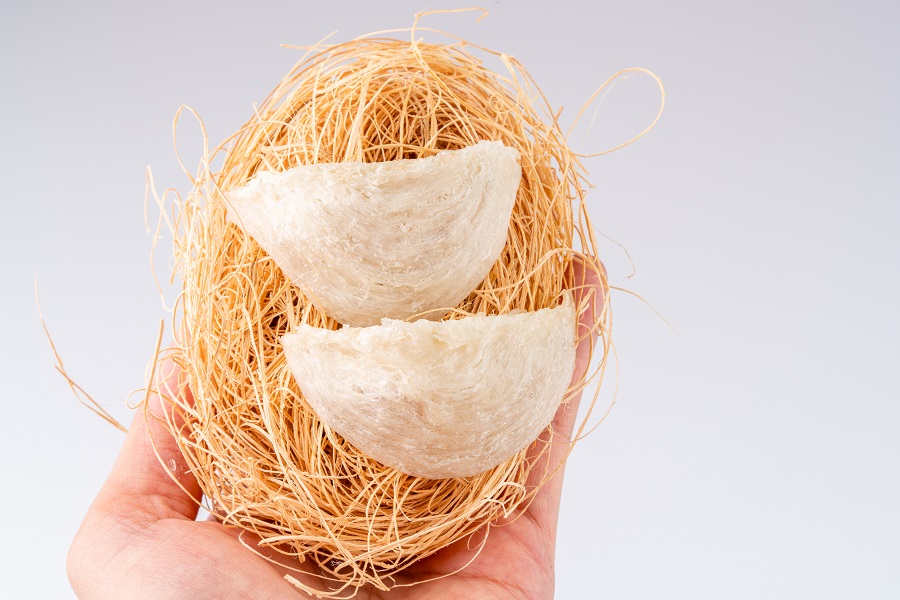
When you order edible bird’s nest soup, you’re not getting twigs and leaves; you’re actually eating the hardened saliva of swiftlets, carefully harvested from cave walls or special bird houses. You then soak, clean, and simmer these translucent strands until they turn into a delicate, gelatinous soup. It’s subtle in flavor, high in price, and wrapped in bold health claims—but what’s really in it, and what are you actually paying for?
Key Takeaways
- Edible bird’s nest soup is primarily made from the hardened saliva nests of swiftlets, mainly male birds.
- The nests are composed mostly of water-binding glycoproteins, with traces of electrolytes, enzymes, and antibacterial compounds.
- Natural materials like seaweed, moss, feathers, and twigs are embedded in the nest for structure and are mostly removed during cleaning.
- After soaking and cleaning, the nests are gently simmered in water, often sweetened with rock sugar for dessert-style soup.
- Some versions may include additional ingredients such as warm milk, herbs, or other flavorings, but the swiftlet nest remains the core component.
From Saliva to Soup: What’s Actually in a Swiftlet Nest
The primary component of bird’s nest soup is predominantly hardened swiftlet saliva. This secretion, produced by male swiftlets, solidifies upon exposure to air, forming the structural basis of the nest.
The composition of the saliva includes a natural protein matrix, primarily constituted of strands that are approximately 98% water.
These strands are interlaced with electrolytes, mucus, antibacterial compounds, and enzymes.
To maintain the nest's cup shape, swiftlets incorporate materials such as seaweed, twigs, moss, hair, and feathers, which fortify the structure.
When the nest is processed into soup, its dense framework loosens, causing the proteins to swell and resulting in a jelly-like consistency.
The flavor of the nest itself is minimal, contributing more to the texture than the taste of the soup.
To explore ready-made options crafted from authentic bird’s nest, you can explore the available soups and drinks of Golden Nest here:
https://www.goldennest.com/collections/birds-nest-soups-drinks
How Nests Are Cleaned and Prepared for Cooking
Prior to a bird's nest being used in culinary applications, it undergoes a detailed cleaning and preparation process to ensure it's safe for consumption.
After harvesting, workers manually remove visible feathers and feces, carefully separating the strands to retain primarily the hardened saliva.
The nests are then soaked in cool water, typically overnight, to soften them and dislodge any remaining debris.
Following this, the nests are repeatedly rinsed and inspected to ensure no residual matter remains, as this could cloud the broth and alter its flavor.
It's important to handle the nest delicately throughout the process, as boiling can compromise its fragile texture.
Nutritional Profile and Claimed Health Benefits
After the nests are thoroughly cleaned and prepared for cooking, the focus shifts to their nutritional content and their historical significance in traditional Chinese medicine.
These nests, primarily composed of hardened swiftlet saliva, are rich in proteins and amino acids, which is why they're often regarded as a concentrated protein supplement.
The glycoproteins present in the nests are believed to contribute to improved skin elasticity, support collagen production, slow the aging process, and enhance immunity.
However, scientific studies have shown limited evidence to support these claims, and the nests contain few vitamins or minerals, offering no significant advantage over typical protein sources.
It's important to exercise caution with red nests, as they may contain elevated levels of nitrites, which can pose carcinogenic risks.
Flavor, Texture, and Common Cooking Methods
Edible bird's nest soup is characterized by a subtle flavor profile with a mild, slightly saline taste, influenced by the coastal environment of the swiftlets that produce the nests.
The flavor is understated, allowing the consumer to focus primarily on the texture, which consists of gelatinous, slippery strands similar to softened jelly.
The preparation process involves soaking the cleaned nests for several hours or overnight.
This step is crucial for softening the hardened saliva and removing any impurities.
Cooking is typically done by gently steaming the nests at low heat, as boiling or microwaving can alter the texture and flavor.
For dessert versions, the nests are simmered with rock sugar or mixed with warm milk.
These methods help maintain the dish's subtle flavor and texture.
Harvesting in Caves and the Rise of Swiftlet Farms
The practice of harvesting nests, which are used to make bird's nest soup, has historically been both hazardous and controversial, particularly in the towering coastal caves such as the Niah Caves in Sarawak.
Harvesters often climb narrow and unstable ladders in low-light conditions, facing significant risks of falling.
Over the years, extensive collection activities have led to a decline in swiftlet populations by more than 70% in certain regions.
This decline has prompted the implementation of bans on cave harvesting in areas like Dazhou Island and Hainan to protect the species.
In response to these environmental concerns, swiftlet farms have emerged in countries such as Malaysia and Thailand.
These farms utilize empty buildings designed to replicate the natural cave environment, facilitating the production of approximately 1,000 metric tons of nests annually.
This shift to farming represents an effort to balance the demand for bird's nest products with the need for conservation of swiftlet populations.
Price, Grading, and the Global Luxury Market
Birds' nests hold significance in global markets as both a culinary specialty and a financial asset. Prices are closely linked to their grading, which is determined by factors such as color and quality. The rare red, or "blood," nests are at the highest price point, reaching approximately $14,000 per kilogram. In contrast, common white nests generally peak around $2,800 per kilogram, while yellow nests are valued in between, contingent on aspects like size, cleanliness, and visible impurities. This grading process supports an $8.5 billion luxury market, primarily driven by Chinese demand and import centers such as Hong Kong and the United States. Indonesia plays a key role in this market by exporting about 2,000 metric tons annually to consumers.
Conclusion
You’ve seen what’s really in a swiftlet’s nest, how producers clean and cook it, and why it’s prized from kitchens to luxury markets. Now you can weigh the protein, collagen, and status appeal against the high cost, ethical issues, and safety concerns. If you decide to try bird’s nest soup, you’ll know what’s in your bowl, where it came from, and how your choice affects birds, people, and ecosystems for better or for worse.